Wellness Beyond Perfection: Embracing Confidence, Strength, and Self-Acceptance


How Estefania Lopez Is Challenging Traditional Ideas of Wellness
In today’s wellness landscape, the conversation is gradually shifting away from unrealistic beauty standards and toward something far more meaningful—authentic self-acceptance. More women are embracing their natural bodies, celebrating individuality, and redefining what it means to feel healthy, confident, and empowered.
One of the most important lessons emerging from the modern wellness movement is that perfection is not the goal. Social media and advertising have often presented idealized images that can create pressure to look a certain way. Yet wellness experts increasingly emphasize that true well-being begins when individuals focus on how they feel rather than how they appear.
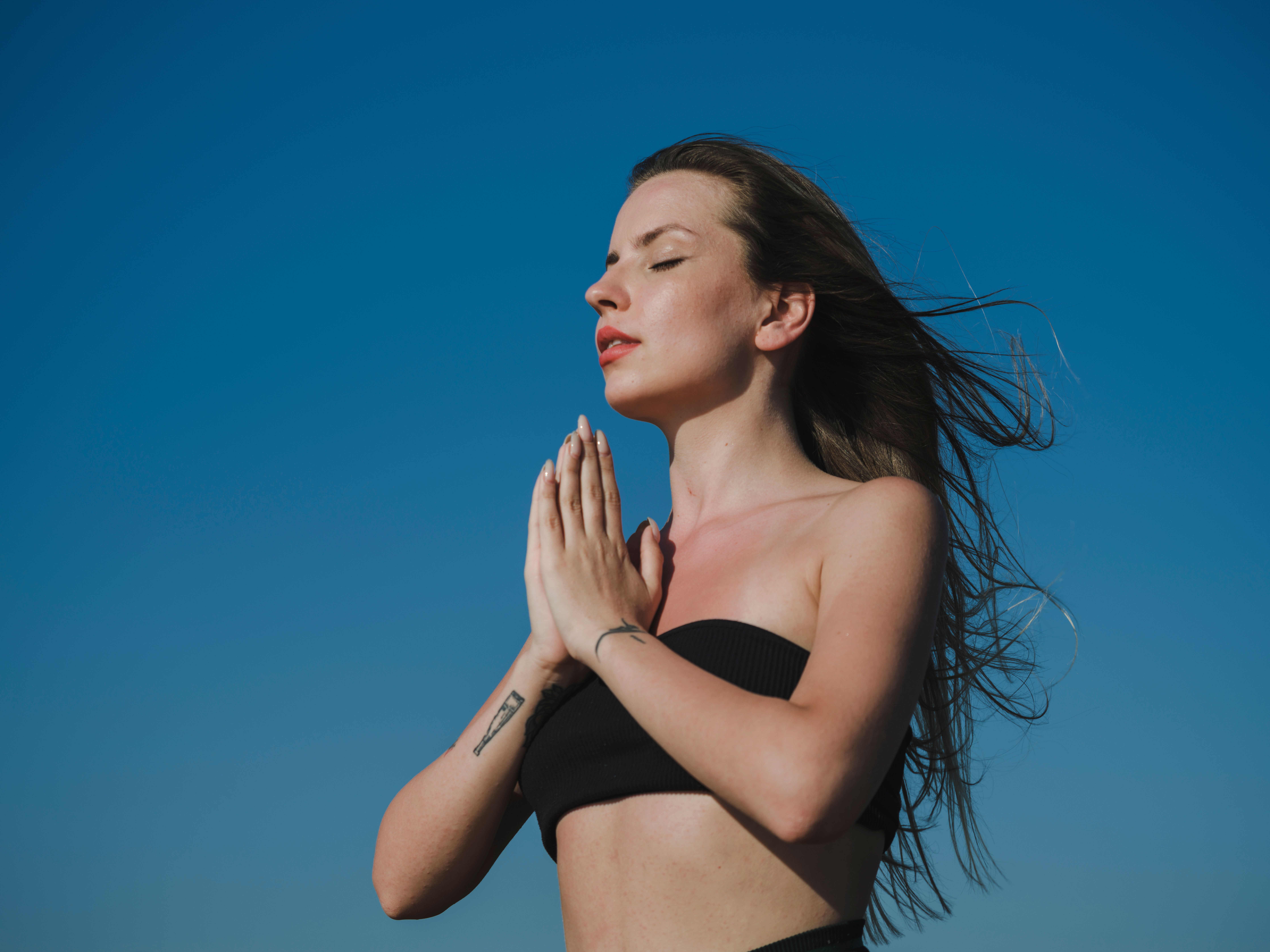
The image of a confident woman embracing her natural self serves as a powerful reminder that every body tells a unique story. Stretch marks, freckles, scars, and other natural features are no longer viewed as flaws to hide but as part of a person’s journey. This growing perspective encourages people to replace self-criticism with self-compassion.
Mental wellness plays a crucial role in this transformation. Research continues to show that positive self-image can influence emotional health, stress levels, and overall quality of life. Individuals who practice self-acceptance often experience greater resilience and are better equipped to navigate life’s challenges. Rather than constantly striving to meet external expectations, they focus on personal growth, balance, and happiness.
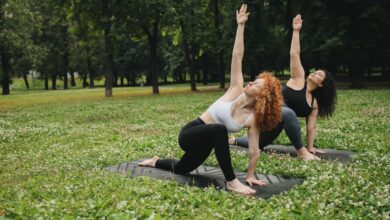
Physical activity remains an important pillar of wellness, but the motivation behind exercise is evolving. Instead of working out solely to change appearance, many people are choosing activities that make them feel strong, energized, and capable. Whether through yoga, Pilates, strength training, walking, cycling, or dancing, movement becomes a celebration of what the body can do rather than a punishment for how it looks.
Nutrition follows a similar philosophy. Wellness professionals increasingly advocate for nourishing the body with balanced meals rather than restrictive diets. A sustainable approach to eating supports long-term health while allowing individuals to enjoy food without guilt. Hydration, nutrient-rich ingredients, and mindful eating habits contribute not only to physical health but also to emotional well-being.
Another key aspect of modern wellness is body confidence. Confidence does not mean loving every aspect of oneself every day. Instead, it means treating oneself with kindness and respect regardless of imperfections. Building confidence often involves shifting focus away from appearance and toward personal strengths, achievements, relationships, and experiences.
Self-care routines can also play a valuable role in promoting wellness. Simple practices such as meditation, journaling, skincare rituals, quality sleep, and spending time outdoors help individuals reconnect with themselves and reduce daily stress. These habits encourage a healthier relationship with both mind and body.
Perhaps the most inspiring aspect of the wellness movement is its emphasis on authenticity. Women are increasingly sharing honest stories about their journeys, challenges, and personal growth. This openness creates supportive communities where people feel encouraged rather than judged.
Ultimately, wellness is not defined by a number on a scale or a flawless appearance. It is about feeling healthy, strong, balanced, and comfortable in one’s own skin. By embracing self-acceptance and prioritizing overall well-being, individuals can cultivate a lifestyle that supports both physical and emotional health.
The future of wellness belongs to those who understand that confidence is not about perfection—it is about embracing who you are and recognizing the strength, beauty, and resilience that already exist with