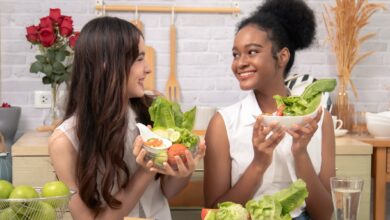
Healthy Eating Gets Simpler
The Healthy Eating Reset: Why Fibre, Whole Foods and Variety Matter More Than Complicated Diet Rules


Healthy eating has become crowded with trends—high-protein products, restrictive diets, supplements and social-media nutrition advice. But current health guidance points back to something considerably simpler: a varied diet built around nutritious, minimally processed foods.
The World Health Organization updated its healthy-diet fact sheet in January 2026, emphasising four basic principles: adequacy, balance, moderation and diversity. Rather than promoting a single fashionable diet, the guidance focuses on the overall quality of what we eat. World Health Organization
For readers interested in everyday wellness, First Avenue Magazine continues to explore realistic approaches to health that can become part of daily life.
Fibre Is Back in the Spotlight
Protein may dominate supermarket shelves and social media, but dietary fibre deserves equal attention.
WHO recommends that people over the age of 10 aim for at least 25 grams of naturally occurring dietary fibre per day. Whole grains, vegetables, fruits and pulses such as beans, lentils and chickpeas are among the recommended sources. World Health Organization
Fibre-rich foods also bring other nutrients with them, which is one reason health guidance focuses on whole foods rather than treating individual nutrients in isolation.
Put More Colour on the Plate
A simple way to improve variety is to look at the colours on your plate.
A September 2026 nutrition update from Harvard Health encourages people to think beyond the typical beige-and-brown diet and incorporate colourful fruits and vegetables, which provide different vitamins, minerals and phytonutrients. Harvard Health
WHO recommends at least 400 grams of fruits and vegetables per day for adults and children over 10. Fresh produce is not the only option: frozen and canned fruits and vegetables can also contribute, provided products with excessive added sugar or sodium are avoided. World Health Organization
Protein Still Matters—But Balance Matters Too
Protein remains essential for muscle and many important functions in the body. However, eating well does not mean that every meal needs to become a high-protein challenge.
WHO notes that protein can come from both animal and plant sources, while beans, lentils, nuts, seeds and other plant foods can contribute to a varied diet. World Health Organization
The bigger picture matters: vegetables, fruit, whole grains, healthy fats and protein can all have a place on the plate.
Healthy Eating Doesn’t Need to Be Extreme
Perhaps the most useful wellness message for 2026 is that sustainable habits matter more than constantly changing diet rules.
Harvard Health similarly notes that healthy weight management is influenced not only by food and physical activity but also by factors including sleep and stress, reinforcing the idea that health is broader than simply counting calories. Harvard Health
A healthier routine can begin with straightforward changes: add vegetables to meals, choose whole grains more often, include fibre-rich foods, vary protein sources and reduce reliance on highly processed foods.
There is no need for every meal to be perfect. Consistency, variety and balance remain far more practical goals.