
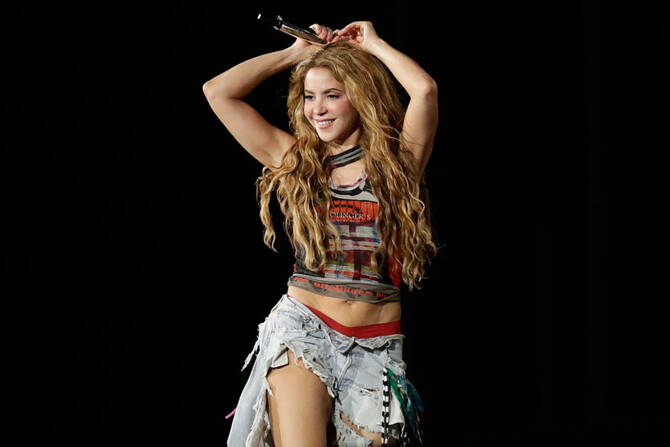
Few artists have become as closely associated with the FIFA World Cup as Shakira. Over the years, the Colombian superstar has transformed football celebrations through her unforgettable performances, helping unite fans across continents through music, culture, and sport. Her connection to the world’s biggest football tournament has made her one of the most recognizable musical figures in FIFA World Cup history.
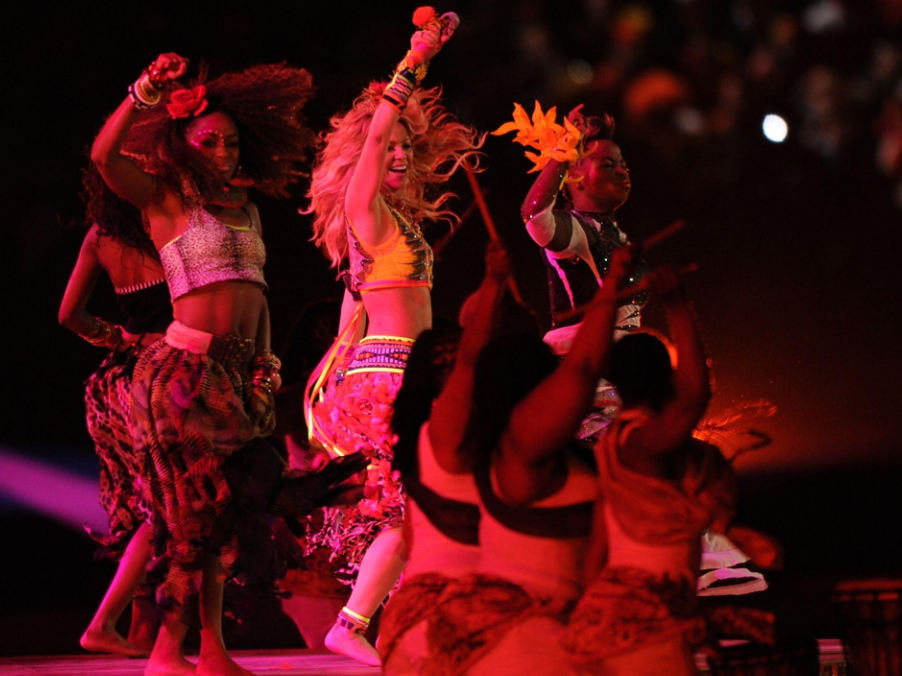
Shakira’s most iconic World Cup contribution came in 2010 with the release of Waka Waka (This Time for Africa), the official song of the FIFA World Cup hosted in South Africa. The track blended African rhythms with Shakira’s signature Latin pop style, creating a global sensation that quickly became one of the most successful World Cup songs ever recorded.
The song carried a message of unity, perseverance, and celebration, perfectly capturing the spirit of the tournament. Fans from every corner of the world embraced the anthem, and its vibrant music video showcased dancers, football stars, and cultural elements from Africa. More than a decade later, “Waka Waka” remains one of the most-viewed and most-loved football songs in history.
The success of the anthem elevated Shakira’s relationship with FIFA beyond a single tournament. She performed at major World Cup events and became a symbol of football’s ability to bring people together through entertainment and shared passion. Her energetic stage presence and multicultural appeal resonated with audiences across Europe, Latin America, Asia, Africa, and the Middle East.
Shakira’s World Cup journey continued in 2014 when she released La La La (Brazil 2014), inspired by the tournament in Brazil. The song once again celebrated football’s global appeal while highlighting Brazil’s vibrant culture and festive atmosphere. Featuring appearances by football stars and supporters from around the world, the track reinforced her status as the unofficial musical ambassador of the World Cup.
Part of Shakira’s connection to football also stems from her personal life. During the 2010 World Cup, she met Spanish footballer Gerard Piqué, who was competing for Spain. Their relationship became one of the most talked-about celebrity partnerships in the sports and entertainment world and further strengthened her association with football.
Beyond the songs and performances, Shakira’s influence helped expand the cultural reach of the World Cup. Her music introduced millions of fans to different cultures and demonstrated how sport and entertainment can work together to create unforgettable global moments. FIFA tournaments are not only about football matches; they are also about celebration, identity, and shared experiences, and Shakira played a major role in shaping that atmosphere.
Today, whenever fans think about World Cup music, Shakira’s name is often among the first that comes to mind. Her performances, infectious energy, and iconic anthems have become part of football history. Few artists have left such a lasting mark on the tournament, and her contributions continue to inspire new generations of football supporters around the globe.
As future World Cups continue to evolve, Shakira’s legacy remains firmly connected to the beautiful game. Through music, dance, and unforgettable performances, she transformed World Cup celebrations into global cultural events, ensuring that her songs will remain a soundtrack to football’s greatest moments for years to come.