Who Invented Lipstick? The Color That Changed Beauty Forever
From Early Lip Color to the Modern Luxury Beauty Essential

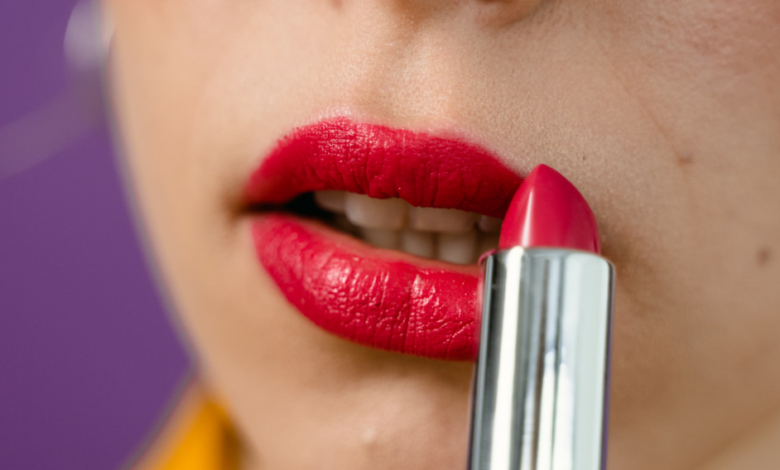
Few beauty products are as instantly recognisable as lipstick.
A single swipe of red, nude, pink or burgundy can transform an entire look, and today almost every major beauty house has its own signature lip collection.
But who actually invented lipstick?
The answer is more complicated than naming one beauty entrepreneur. Humans colored their lips long before the modern lipstick tube existed, and what we now call lipstick emerged gradually through centuries of cosmetic experimentation.
For more beauty stories, explore First Avenue Beauty.
There Was No Single Inventor
Lip color existed long before today’s cosmetics industry.
Early preparations were not the smooth, precisely manufactured formulas found on beauty counters today. Color could be produced from naturally available pigments and other materials, and cosmetic practices evolved independently across different societies.
This means it would be historically misleading to credit one individual with “inventing” the idea of coloring the lips.
The more interesting question is: when did lipstick begin to resemble the product we recognise today?
The Rise of the Lipstick Stick
During the 19th century, cosmetics manufacturing became increasingly sophisticated in Europe.
French perfume and cosmetics houses helped transform beauty preparations into desirable commercial luxury products.
One important name in this evolution is Guerlain.
Historical cosmetics research records that Guerlain was already selling rouges by the 1840s, including preparations intended for use on the lips.
The house is also associated with Ne M’Oubliez Pas, introduced around 1870 and widely credited as an early stick-form lip rouge.
The historical record surrounding claims of the absolute “first” lipstick is not conclusive, however, which is why it is more accurate to describe it as an important milestone in the development of modern lipstick rather than declare a definitive inventor.
Beauty Becomes Portable
Turning lip color into a stick changed more than its appearance.
It helped make the cosmetic increasingly portable and convenient.
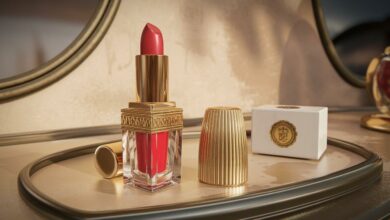
Over the following decades, packaging became an important part of the lipstick experience. Metal cases, decorative containers and eventually mechanisms that allowed the lipstick to move in and out of its case helped transform an everyday cosmetic into a desirable personal accessory.
Lipstick was no longer simply pigment.
It was becoming a product.
Explore more stories about luxury craftsmanship and style in First Avenue’s Lifestyle section.
The 20th Century Changes Everything
The growth of cinema, advertising, department stores and mass-produced cosmetics dramatically expanded lipstick’s cultural influence during the 20th century.
Hollywood helped make carefully defined lips part of the visual language of glamour.
Beauty companies developed increasingly sophisticated colors, textures and packaging, while fashion houses recognised that cosmetics could extend their identity far beyond clothing.
Lipstick eventually became available at virtually every level of the market, from accessible everyday cosmetics to elaborately packaged luxury products.
The Smithsonian’s National Museum of American History preserves lipstick examples from numerous periods and brands, illustrating how the cosmetic became part of modern material and beauty culture.
From Classic Red to Unlimited Color
Today, lipstick comes in an extraordinary range of finishes: matte, satin, sheer, glossy, metallic and long-wear.
The traditional bullet now competes with liquid lipstick, lip stains, oils and hybrid skincare formulas.
Yet the basic attraction remains remarkably familiar.
Lipstick provides one of fashion and beauty’s quickest forms of self-expression.
A red lip can communicate confidence. Nude shades can create understated polish. Deep tones can completely change the mood of a look.
What began as the ancient human desire to decorate and emphasise the lips ultimately became a global beauty industry.
There may be no single inventor of lipstick — but its long transformation from pigment to beautifully engineered luxury object makes its history even more fascinating.
Discover more fashion and beauty heritage at First Avenue Magazine.