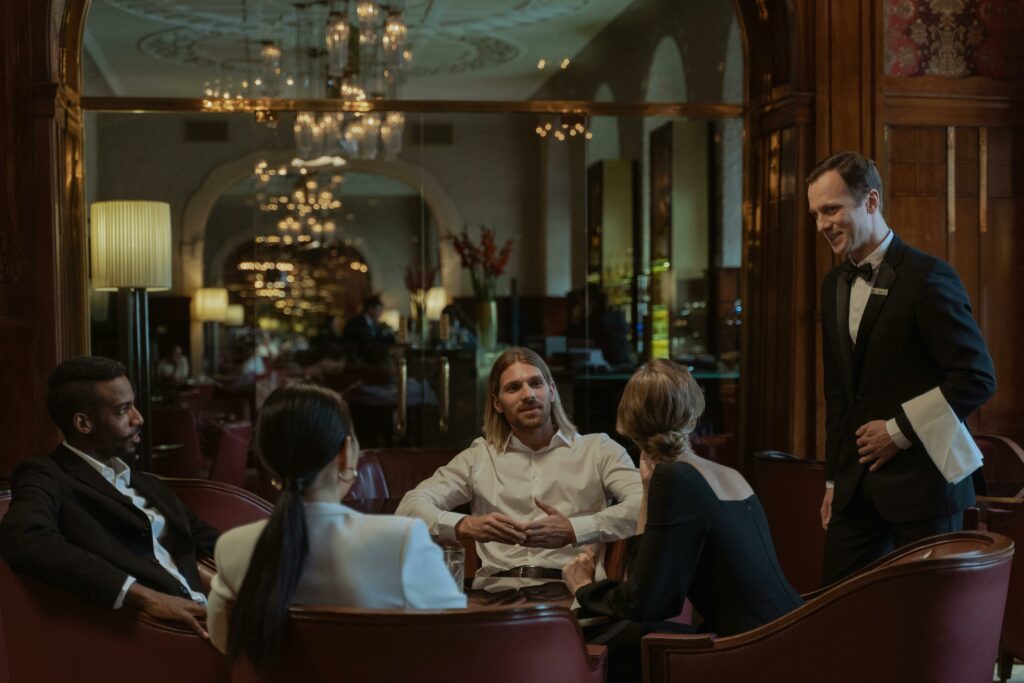


Why Dubai’s Private Members Clubs Are Becoming the New Power Addresses
In Dubai, luxury is quietly shifting away from crowded hotspots and into ultra-private members clubs designed for influence, networking, and exclusivity. Across the UAE, a new generation of high-end private lounges is becoming the preferred destination for entrepreneurs, celebrities, investors, and elite social circles looking for privacy instead of publicity.
Unlike traditional luxury venues, these new private clubs are built around access. Membership is often invitation-only, with waiting lists becoming increasingly competitive in Dubai’s luxury scene. What makes these spaces attractive is not only the interior design or premium dining — it is the network inside the room.
Several luxury developers in Dubai are now integrating private social clubs directly into residential towers and branded residences. Residents can access cigar lounges, private cinemas, business suites, wellness recovery rooms, and chef-driven dining spaces without leaving the building. For high-net-worth residents in the UAE, privacy and convenience are becoming more valuable than traditional luxury amenities.
The concept is also changing the city’s nightlife culture. Instead of large public venues, many Dubai residents are moving toward quieter, reservation-only social spaces where business meetings, luxury networking, and entertainment happen in a more controlled environment. These clubs often combine fine dining, live music, wellness, and workspace concepts under one roof.
Fashion and luxury brands are also entering the trend. International labels are increasingly hosting invitation-only experiences inside private venues across Dubai, creating exclusive launches that target premium audiences directly. This strategy allows brands to build stronger personal relationships with elite clients while maintaining exclusivity.
The rise of private clubs also reflects Dubai’s growing international business community. Executives relocating from London, New York, Paris, and Singapore are bringing demand for premium social ecosystems similar to Soho House or members-only business lounges found in global capitals.
Another reason for the boom is lifestyle flexibility. Many members now use these clubs as hybrid spaces — part office, part social hub, part wellness retreat. During the day, members hold meetings or work remotely. By evening, the same venue transforms into a luxury social destination.
Design plays a major role in the experience. Interiors now focus heavily on warm lighting, acoustic privacy, curated artwork, natural textures, and residential-style comfort rather than traditional hospitality aesthetics. Dubai’s luxury audience increasingly prefers spaces that feel personal rather than commercial.
Industry insiders believe this trend will continue growing across the UAE over the next few years, particularly as luxury real estate developers compete to create more lifestyle-focused communities.
In many ways, these clubs are becoming modern status symbols. In Dubai today, exclusivity is no longer about being seen everywhere — it is about having access to places where few people can enter.