Who Created the World’s First Fashion Show?
Charles Frederick Worth Transformed Fashion in Paris

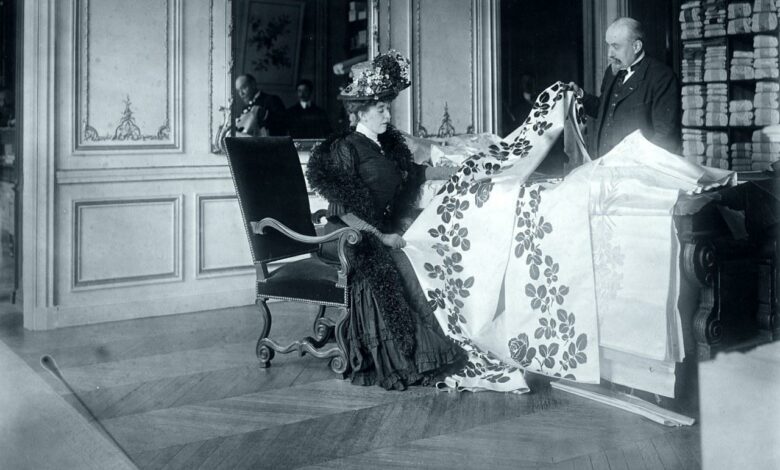
Before fashion weeks, celebrity-filled front rows and dramatic catwalks, clothing was presented very differently. Customers visited dressmakers, selected fabrics and discussed the style they wanted. There were no seasonal runway collections and no professional models walking before an audience.
That began to change in Paris, France, during the nineteenth century, largely through the work of British-born designer Charles Frederick Worth.
Worth is widely credited with establishing the concept that eventually became the fashion show. After moving from England to Paris, he founded the House of Worth in 1858 and transformed dressmaking into what we now recognise as haute couture.
Instead of waiting for customers to describe the clothes they wanted, Worth created complete designs in advance. He then presented them on live female models inside his Paris salon. Wealthy clients could watch the women move through the room, examine how the fabrics flowed and select the designs they wished to order.
The chosen garments were then produced according to each client’s measurements and preferences. This revolutionary method turned the designer from a private dressmaker into a creative authority who introduced new styles and encouraged clients to follow his vision.
The Victoria and Albert Museum credits Worth with helping to “invent” the fashion show, while the Metropolitan Museum of Art notes that his completed designs were presented to customers on live models. Victoria and Albert Museum and The Metropolitan Museum of Art
Discover more stories celebrating creativity and style in First Avenue Fashion.
From Private Salon to Modern Catwalk
Worth’s presentations were intimate salon experiences rather than runway shows as we understand them today. Models—then commonly called mannequins—walked slowly among seated customers, allowing the clothes to be viewed closely.
One of Worth’s earliest and most famous models was his wife, Marie Vernet Worth. She wore his creations before clients and helped demonstrate how garments appeared on the body.
The theatrical version of the modern fashion show developed later through British designer Lucy, Lady Duff-Gordon, who worked under the professional name Lucile.
During the early twentieth century, Lucile staged invitation-only “mannequin parades” in London. Her presentations featured professional models, music, lighting, curtains and carefully designed atmospheres. Instead of simply displaying garments, she turned the presentation of fashion into entertainment.
This is why fashion history recognises two important pioneers:
- Charles Frederick Worth introduced live-model fashion presentations in Paris during the late 1850s.
- Lady Duff-Gordon developed the theatrical runway-style show in London during the early 1900s.
Their innovations established the foundation for today’s fashion weeks in Paris, Milan, London, New York and Dubai. Modern runway shows may include elaborate sets, global livestreams and celebrity guests, but their central purpose remains unchanged: presenting a designer’s creative vision through clothes in motion.
Explore the stars who bring couture to life in Celebrity Style and discover unforgettable fashion moments in Red Carpet.
You May Also Like: Read more exclusive fashion and lifestyle stories in First Avenue Cover Story.