Traditional Women’s Fashion in Old Dubai: A Timeless Expression of Elegance and Identity

Traditional Women’s Fashion in Old Dubai | Emirati Heritage Style
Long before Dubai became a global hub of luxury and modern fashion, the city was rooted in rich cultural traditions that were deeply reflected in the clothing of its people—especially women. Traditional women’s fashion in old Dubai was more than just attire; it was a powerful expression of identity, modesty, heritage, and social status.
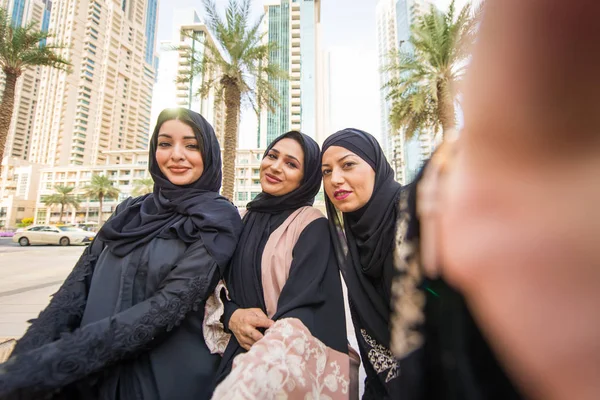
At the heart of Emirati women’s traditional clothing is the abaya, a flowing black garment that symbolizes elegance and modesty. While today’s abayas often feature modern cuts and embellishments, in earlier times they were simpler in design, crafted from lightweight fabrics suited to the desert climate. Despite their simplicity, these garments carried a quiet sophistication, reflecting the dignity and grace of the women who wore them.
Another iconic piece is the shayla, a headscarf that complements the abaya. Traditionally, the shayla was worn in a way that framed the face while maintaining modesty. It was often styled differently depending on the occasion, showcasing subtle individuality within cultural norms.
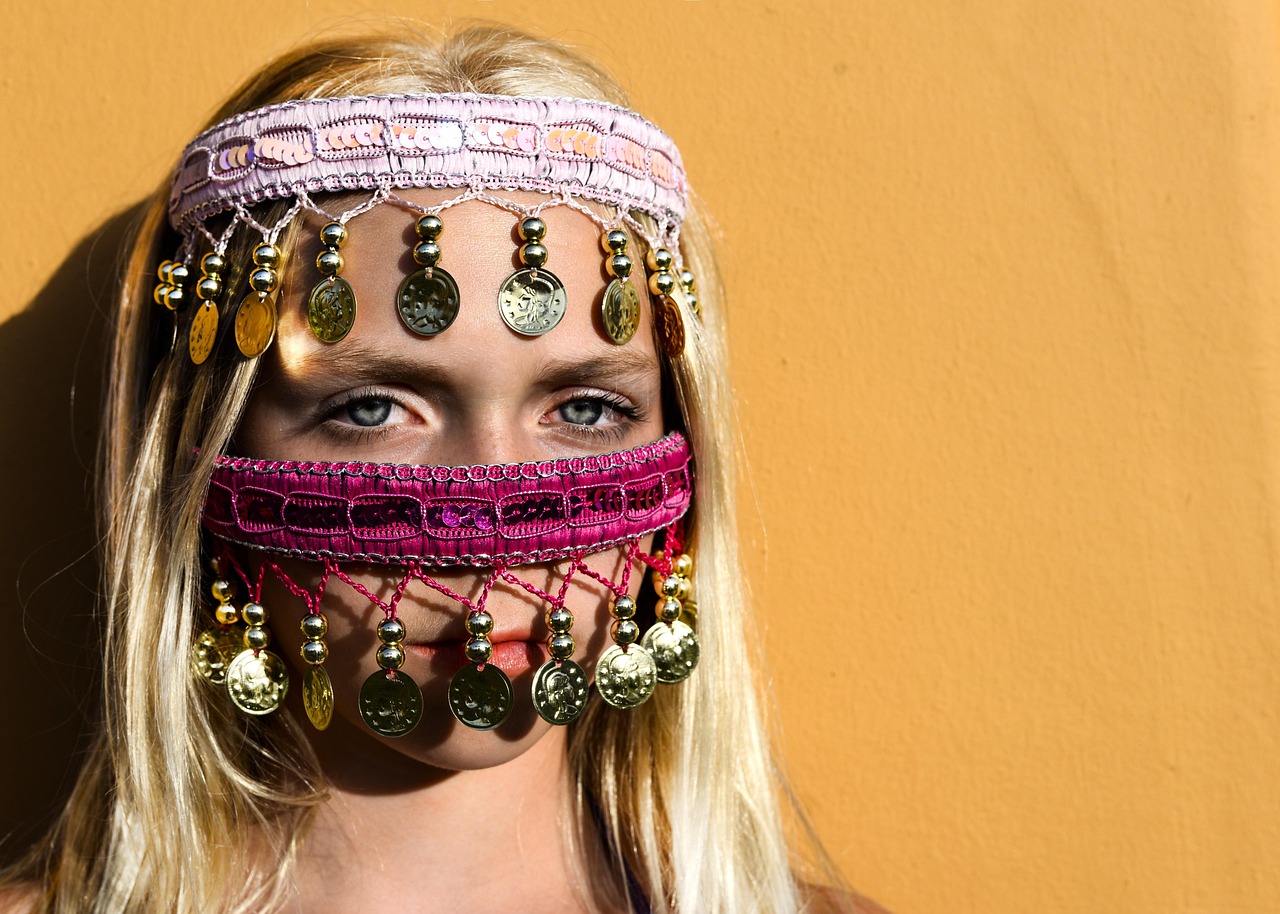
Perhaps one of the most distinctive elements of traditional Emirati women’s fashion is the burqa (face covering), which differs significantly from its interpretations in other cultures. The Emirati burqa, usually made from a metallic-looking fabric, covers part of the face and was historically worn by married women. Beyond modesty, it also served practical purposes, protecting the face from harsh desert sun and sand.
Underneath the abaya, women wore beautifully crafted garments known as kandura or jalabiya. These dresses were often vibrant in color and richly decorated with embroidery, reflecting regional artistry and craftsmanship. Unlike the outer garments, these inner dresses allowed for greater expression of personal style and creativity.
Jewelry played a significant role in traditional fashion. Gold was especially prominent, symbolizing wealth and status. Women adorned themselves with elaborate necklaces, bracelets, anklets, and earrings, often passed down through generations. These pieces were not only decorative but also held cultural and emotional value.
Fabrics used in traditional clothing were carefully chosen to suit the environment. Lightweight cotton and silk were common, providing comfort in the hot climate. The craftsmanship involved in creating these garments was highly respected, with many pieces being handmade.
Social occasions and celebrations, such as weddings, provided opportunities for more elaborate attire. Bridal wear in old Dubai featured intricate embroidery, luxurious fabrics, and heavy gold jewelry. These outfits were designed to reflect both beauty and cultural pride.
Traditional fashion also reflected the values of Emirati society. Modesty was central, but it did not limit elegance or style. Instead, it created a unique aesthetic that balanced simplicity with sophistication.
As Dubai evolved into a modern metropolis, women’s fashion began to incorporate global influences. However, traditional elements have remained deeply rooted in the culture. Today, many Emirati women blend contemporary fashion with traditional pieces, creating a fusion that احترام heritage while embracing modernity.
Designers in the UAE are now reinterpreting traditional garments for a global audience. Modern abayas feature innovative designs, luxury fabrics, and artistic details, yet they still retain their cultural essence.
In recent years, there has been a renewed appreciation for traditional fashion, especially among younger generations. Cultural events, heritage festivals, and social media platforms have played a key role in preserving and promoting these styles.
Traditional women’s fashion in old Dubai is not just a reflection of the past—it is a living legacy. It continues to inspire modern fashion while reminding us of the values, artistry, and identity that define Emirati culture.
For First Avenue Magazine, this journey into traditional fashion highlights the timeless beauty of Emirati heritage—where elegance is not defined by trends, but by history, culture, and authenticity.