
In an era dominated by fast fashion and ever-changing trends, the concept of personal style has become more important than ever. While trends come and go, true style remains constant. It is not dictated by what is currently popular, but by what feels authentic.
Personal style is deeply individual. It cannot be copied, bought, or borrowed—it is developed. And in a world where social media constantly pushes new aesthetics, finding your own voice through fashion has become both a challenge and a necessity.
Understanding the Difference Between Style and Fashion
Fashion is external. It is seasonal, commercial, and often repetitive. Style, on the other hand, is internal. It reflects personality, mood, and lifestyle.
You can follow every trend and still feel disconnected from what you wear. Conversely, someone with strong personal style can wear the simplest outfit and still stand out effortlessly.
This is because style is not about what you wear—it is about how you wear it.
Why Trends Can Be Misleading
Trends are designed to create urgency. They encourage constant consumption, making you feel like you need something new to stay relevant.
But the truth is, most trends do not suit everyone. They are often created for a specific aesthetic, body type, or lifestyle. When people try to follow them blindly, the result is often a wardrobe full of items that are rarely worn.
Instead of chasing trends, it is more effective to observe them selectively. Ask yourself:
- Does this align with my personality?
- Will I still wear this a year from now?
- Does it fit into my existing wardrobe?
If the answer is no, it is probably not worth investing in.
Building a Wardrobe That Reflects You
A strong wardrobe is not built overnight. It evolves over time through experience, experimentation, and self-awareness.
Start by identifying pieces that you naturally gravitate toward. These could be:
- Neutral tones
- Structured silhouettes
- Relaxed fits
- Statement accessories
Once you recognize patterns in your preferences, you can begin to build a cohesive wardrobe around them.
The goal is not to have more clothes, but to have the right ones.
The Role of Confidence in Personal Style
Confidence is the foundation of style. The same outfit can look completely different on two people depending on how they carry themselves.
When you feel comfortable in what you wear, it shows. Your posture changes, your movements become more natural, and your overall presence becomes stronger.
This is why personal style is not about perfection—it is about authenticity.
Dressing for Your Lifestyle, Not for Others
One of the most common mistakes people make is dressing for occasions that rarely occur. Buying outfits for hypothetical events often leads to clutter and frustration.
Instead, your wardrobe should reflect your daily life. If you spend most of your time working, traveling, or attending casual gatherings, your clothing should support that.
Practicality does not mean sacrificing style. It means aligning your fashion choices with your reality.
The Influence of Culture and Environment
Personal style is also shaped by environment. Living in a city like Dubai, for example, introduces a blend of cultures, climates, and social settings.
This diversity allows for greater experimentation. You can combine elements from different fashion traditions, creating a style that is uniquely yours.
At the same time, the environment influences practicality—light fabrics, breathable materials, and versatile outfits become essential.
The Rise of Minimalism in Fashion
Modern fashion is moving toward minimalism. This does not mean boring—it means intentional.
Minimalist wardrobes focus on:
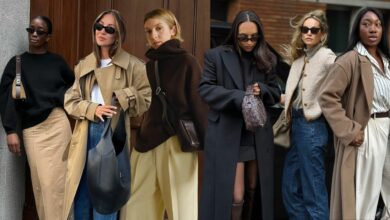
- Clean lines
- Neutral palettes
- High-quality fabrics
- Versatile pieces
This approach simplifies decision-making while maintaining a polished appearance.
It also reduces the pressure to constantly update your wardrobe, allowing you to focus on refining your style instead.
Investing in Timeless Pieces
One of the most effective ways to build personal style is to invest in timeless items. These are pieces that remain relevant regardless of trends.
Examples include:
- A well-tailored blazer
- A classic white shirt
- High-quality denim
- Neutral footwear
These items form the foundation of your wardrobe, making it easier to mix and match outfits.
Quality is key here. Investing in fewer, better pieces not only enhances your style but also ensures longevity.
Accessories: The Silent Statement
Accessories play a crucial role in defining personal style. They have the power to transform even the simplest outfit.
A watch, a handbag, or a pair of sunglasses can add personality without overwhelming the look.
The key is balance. Too many accessories can feel excessive, while the right amount can elevate your entire appearance.
The Impact of Social Media
Social media has changed the way we perceive fashion. It offers endless inspiration, but it can also create pressure to conform.
It is important to remember that what you see online is curated. It does not always reflect reality.
Use social media as a source of ideas, not as a standard to measure yourself against.
Evolving Your Style Over Time
Personal style is not static. It evolves as you grow, change, and experience different phases of life.
What worked for you five years ago may not feel right today—and that is perfectly normal.
Allow your style to adapt. Experiment with new elements, refine your preferences, and let go of what no longer resonates.
Why Personal Style Matters More Than Ever
In a world where everything is increasingly digital and fast-paced, personal style offers a sense of identity and stability.
It is a way of expressing who you are without saying a word.
More importantly, it allows you to feel grounded. When you know your style, you eliminate the daily stress of deciding what to wear.
Fashion will continue to change. Trends will come and go. But personal style remains.
It is not about being the best dressed person in the room. It is about being the most authentic version of yourself.
Because in the end, true style is not seen—it is felt.