The New Language of Luxury: Why Modern Affluence Is Defined by Meaning, Not Excess

Luxury has always been a mirror of its time. In past decades, it spoke loudly—through logos, scale, and spectacle. Today, it communicates differently. Subtly. Intentionally. And with far greater depth.
Across global capitals—from Paris and Milan to Dubai and New York—a new definition of luxury is emerging. One that values meaning over excess, craftsmanship over volume, and personal connection over public display. This shift is not a rejection of luxury itself, but a refinement of it.
From Status to Story
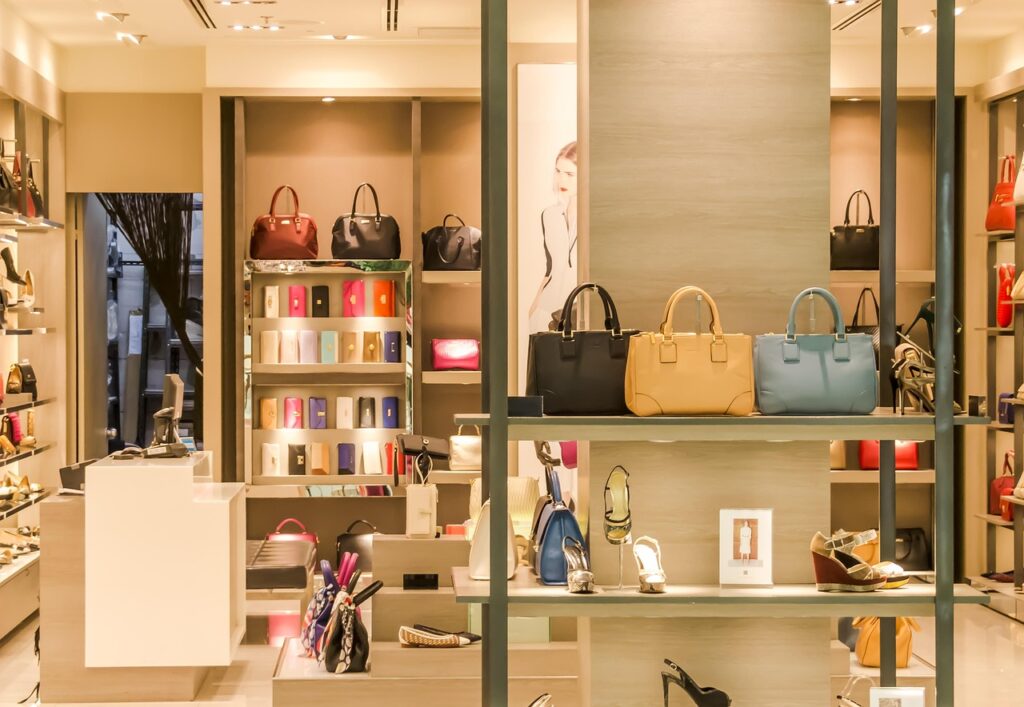
Modern luxury consumers are no longer satisfied with owning something expensive. They want to understand why it exists, how it was made, and what it represents. A handbag is no longer just leather and hardware—it is the story of an atelier, a lineage of artisans, and a philosophy of design. A watch is not only a timekeeping device, but a statement about precision, heritage, and patience in a fast-moving world.
This evolution reflects a broader cultural change. Affluence today is increasingly private. True luxury is not shouted; it is recognized by those who understand it.
The Rise of Conscious Elegance
Sustainability, once considered a niche concern, is now central to luxury discourse. High-end brands are being held to higher standards—ethically, environmentally, and socially. Consumers want to know where materials come from, how workers are treated, and whether a brand’s values align with their own.
Yet this is not about compromise. On the contrary, sustainability has elevated luxury craftsmanship. Limited production, responsible sourcing, and longevity are now seen as markers of prestige. Owning fewer but better things has become the ultimate sign of refinement.
Experiences Over Objects
Another defining characteristic of modern luxury is its experiential nature. Private dinners, bespoke travel, intimate cultural events, and tailored wellness retreats now rival physical products in desirability. These experiences offer something money alone cannot buy: emotion, memory, and personal transformation.
Luxury, in this sense, has become temporal rather than transactional. It is about how something makes you feel—not just how it looks.
The Middle East’s Role in Redefining Luxury
The Middle East, particularly the UAE, plays a pivotal role in shaping this new luxury narrative. While the region is often associated with grandeur and scale, a quieter sophistication is gaining momentum. Private members’ clubs, curated cultural spaces, niche fashion houses, and artisan-led concepts are flourishing alongside iconic landmarks.
Dubai, in particular, has become a global laboratory for modern luxury—where tradition and innovation coexist seamlessly. Here, heritage craftsmanship meets cutting-edge design, and global influences are interpreted through a distinctly regional lens.
Personalization Is the New Prestige
In a world of mass access, exclusivity is no longer defined by price alone. It is defined by personalization. Custom tailoring, made-to-measure services, private viewings, and invitation-only access now hold greater value than mass-market luxury offerings.
Consumers want to feel seen and understood. Brands that can offer a sense of intimacy—without sacrificing excellence—are those that resonate most deeply with today’s discerning audience.
Cultural Intelligence as a Luxury Asset
Luxury today also demands cultural awareness. Fashion, art, design, and even gastronomy are increasingly intertwined with identity and expression. Consumers gravitate toward brands and platforms that respect cultural nuance, celebrate diversity, and engage in meaningful dialogue.
This is particularly relevant in a globalized world where audiences are sophisticated, informed, and culturally fluent. Luxury that lacks intelligence—or sensitivity—feels outdated.
The Future of Luxury Is Quietly Powerful
As luxury continues to evolve, one thing is clear: its future lies in restraint, authenticity, and emotional resonance. The most powerful luxury statements are no longer the loudest ones, but the most thoughtful.
In an era defined by speed and excess, true luxury offers something rare—time, intention, and meaning. And that, more than anything, is what defines modern affluence.