The Luxe Reset: How 2026 Is Redefining Fashion, Sustainability, and Digital Luxury

The year 2026 marks one of the most significant turning points in the modern fashion industry — a moment many experts are calling The Luxe Reset. Over the last decade, fashion has transformed faster than at any time in its history. Digital innovation, sustainability demands, shifting consumer expectations, and the influence of global culture have reshaped the luxury landscape. But 2026 is not simply another year of change; it is the year fashion redefines its purpose, its values, and its future.
The post-pandemic era introduced a new kind of consumer — informed, conscious, and experience-driven. They care about the story behind the garment, the craftsmanship, the environmental footprint, and the emotional value it carries. Luxury, once built purely on exclusivity, has entered a new age of transparency, ethics, and innovation. Today’s brands must do more than create beautiful pieces — they must create meaningful ones.
A New Meaning of Luxury
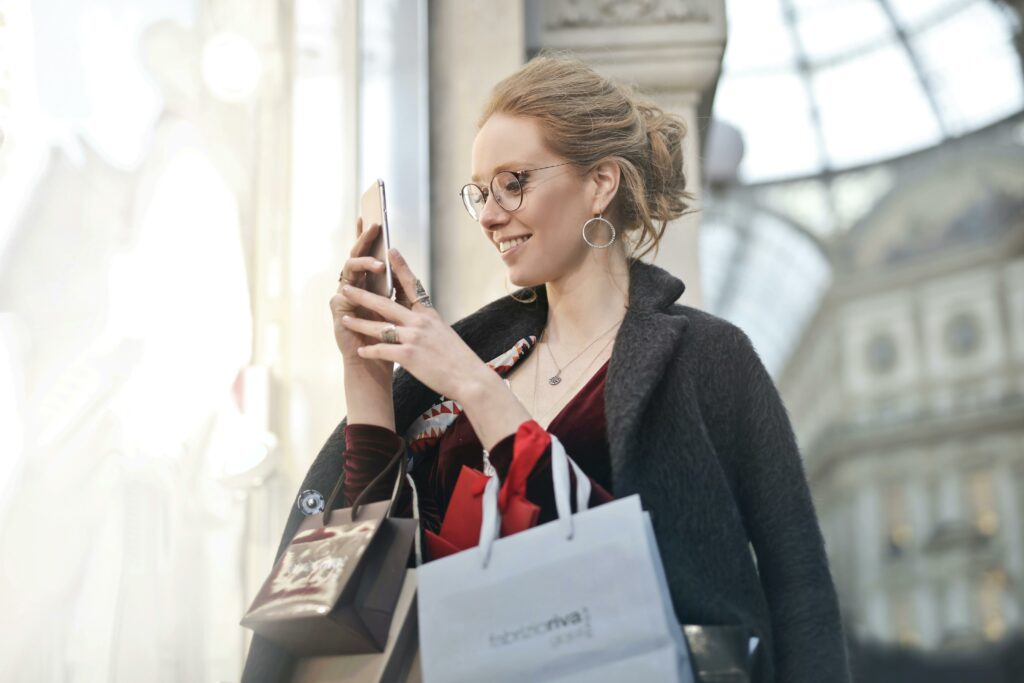
In 2026, luxury is no longer defined by logos, price tags, or rarity. Instead, it is measured by authenticity, longevity, and personal connection. Consumers seek items that feel timeless, intentional, and thoughtfully produced. The new luxury asks: Does this piece add value to my life, my identity, and my world?
Major houses like Dior, Valentino, Chanel, and Bottega Veneta have shifted to slower production rhythms and are reintroducing heritage craftsmanship — hand-embroidery, artisanal weaving, and custom tailoring — creating pieces that collectors view as future heirlooms. Fashion lovers are increasingly choosing “fewer, better, forever” items, investing in high-quality pieces meant to last across seasons, generations, and trends.
Sustainability Becomes Standard — Not a Selling Point
What was once a marketing pitch is now an industry expectation. In 2026, sustainability is embedded into every stage of creation — from sourcing and production to packaging and resale. Circular fashion has evolved beyond recycling; it has become a lifestyle movement. Luxury brands are pioneering fabrics that regenerate themselves, biodegradable leather alternatives, and garments designed to be easily repaired or repurposed.
Upcycling is no longer a niche artistic approach but a mainstream luxury practice. Brands now offer “reimagined couture” — archival pieces restored, altered, and reintroduced in contemporary silhouettes. This trend has brought craftsmanship back into the spotlight, reminding consumers that true luxury is handmade, intentional, and unique.
**Digital Couture & AI-Fashion</b>
2026 is also the year digital fashion transcends novelty and becomes an essential part of the style ecosystem. Digital wardrobes, augmented reality try-on experiences, and AI-design assistants allow consumers to experiment with fashion in new ways without environmental impact.
Virtual couture — one-of-a-kind digital garments designed for social platforms, gaming environments, and the metaverse — has become a status symbol for Gen Z and Gen Alpha luxury buyers. Meanwhile, AI-assisted design tools help creators explore silhouettes, fabrics, and patterns faster than ever, bridging the gap between imagination and execution.
Luxury houses are embracing “phygital fashion,” where digital and physical collections coexist. A consumer may purchase a dress in-store and receive its digital twin for online use — merging identity, technology, and creativity in a seamless experience.
The Rise of Experiential Luxury
In 2026, fashion extends beyond the garment. The luxury experience has become equally important. Consumers crave sensory retail — immersive showrooms, AI-driven personalization, scent architecture, and interactive art installations. Flagship boutiques have evolved into culture hubs where fashion, food, music, and wellness converge.
Limited-edition collections are now unveiled through intimate viewings, atelier tours, and curated digital premieres. Fashion weeks increasingly blend physical runways with cinematic digital shows, enabling global audiences to participate in real time.
Cultural Fusion & Global Voices
Another defining shift in 2026 is the rise of cross-cultural design. Fashion no longer belongs to a single aesthetic narrative. Middle Eastern influences, African textures, Asian minimalism, and Latin American craftsmanship are shaping global design language in unprecedented ways.
Inclusivity is no longer a trend — it is the foundation of contemporary fashion. Designers celebrate diverse identities, unconventional silhouettes, gender-neutral pieces, and adaptive clothing. The cultural richness of the global fashion community is finally reflected on runways, campaigns, and editorial storytelling.
The Future of Luxury Is Personal
Ultimately, the Luxe Reset is about personalization. Modern luxury invites individuals to build wardrobes that reflect their experiences, passions, and values. Consumers want items that feel like an extension of their identity — whether through bespoke tailoring, embroidery personalization, digital customization, or limited-edition craftsmanship.
2026 is the year luxury becomes human again. It is intimate, thoughtful, artistic, and future-forward — a fusion of tradition and technology. Fashion has entered its most exciting era yet: one where style has soul.