
When Shakira stepped onto the sands of Copacabana, it wasn’t just a concert—it was a moment that transformed a beach into one of the largest live music gatherings in modern history.

A Crowd Like No Other
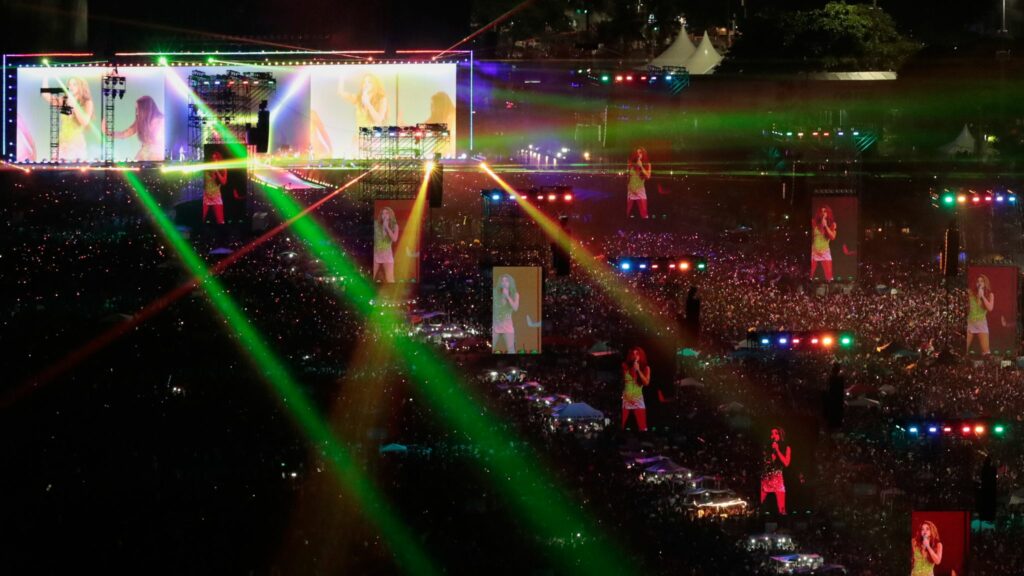
On a night that will be remembered for years to come, more than two million people gathered along Brazil’s iconic Copacabana Beach to witness Shakira perform in a free concert that blurred the line between music event and cultural phenomenon.
The scale was extraordinary. From aerial views, the coastline appeared completely covered in people—fans stretching as far as the eye could see, united by rhythm, energy, and anticipation. It wasn’t confined to ticket holders or VIP sections. This was music in its purest, most democratic form—open to anyone who wanted to be part of the experience.
Free concerts often attract large audiences, but few reach this magnitude. This was not just attendance—it was participation in a global moment.
More Than a Performance
Shakira’s performance went beyond entertainment. It became a shared experience between artist and audience, amplified by the sheer scale of the crowd.
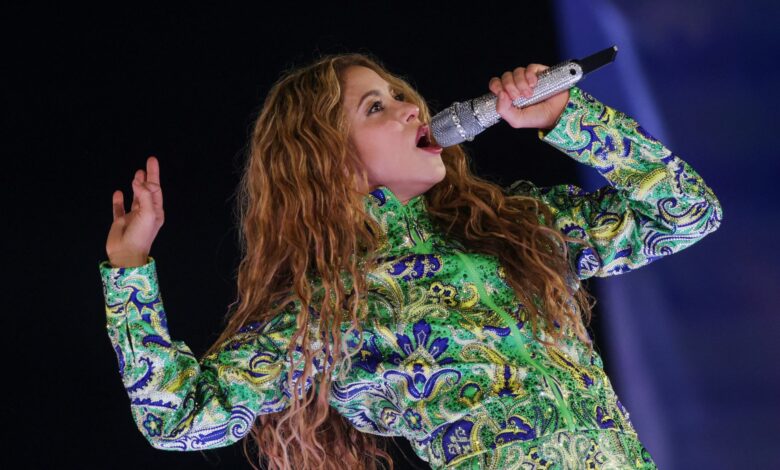
From the moment she appeared on stage, the connection was immediate. Her presence—dynamic, confident, and unmistakably powerful—captured the energy of millions and reflected it back with even greater intensity.
Her setlist blended iconic hits with newer material, creating a balance that satisfied longtime fans while introducing fresh sounds. Every movement, every lyric, and every beat carried across the beach, turning the entire space into a single, unified audience.
The Power of Global Music
What makes Shakira unique is her ability to transcend borders.
Singing in both Spanish and English, blending Latin rhythms with global pop influences, she represents a rare kind of artist—one whose music resonates across cultures, languages, and generations.
At Copacabana, this global appeal was clearly visible. The crowd was not just local. It included visitors from around the world, all drawn by the opportunity to witness something extraordinary.
In that moment, the beach became a symbol of global unity through music.
A Visual Spectacle
The concert was not only about sound—it was a visual experience designed to match the scale of the audience.
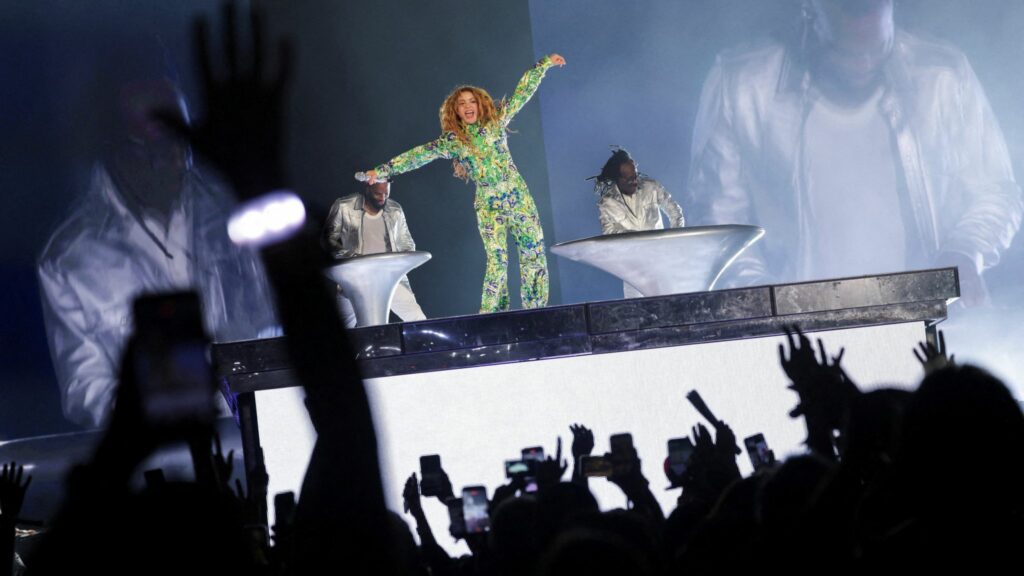
Lighting effects, large-scale screens, and carefully designed stage elements ensured that even those far from the front could feel connected to the performance. The use of visuals played a crucial role in maintaining engagement across such a vast space.
Shakira herself became part of that visual storytelling. Her stage presence, wardrobe, and choreography were crafted to stand out against the immense backdrop of the ocean and sky.
The result was a performance that felt both intimate and monumental at the same time.
Copacabana as the Perfect Stage
There are few locations in the world capable of hosting an event of this magnitude, and Copacabana Beach proved once again why it is one of the most iconic venues for large-scale performances.
Its open space, natural beauty, and cultural significance make it an ideal setting for events that aim to reach beyond traditional boundaries.
In this case, it wasn’t just a venue—it was part of the experience. The sound of waves, the energy of the crowd, and the vast horizon all contributed to the atmosphere.
The setting elevated the concert into something unforgettable.
Logistics Behind the Magic
An event of this scale does not happen by chance. Behind the scenes, months of planning and coordination were required to ensure safety, accessibility, and technical execution.
Managing a crowd of two million people requires precision—security measures, crowd control, emergency services, and infrastructure all had to function seamlessly.
The success of the event reflects not only Shakira’s star power but also the expertise of the teams responsible for bringing it to life.
A Moment of Cultural Impact
This concert was not just about music—it was about cultural impact.
Events like this shape how we understand live performance in the modern era. They demonstrate the continued importance of shared, physical experiences in a world increasingly dominated by digital interaction.
For many in attendance, this was more than a concert. It was a memory, a story, and a moment of connection that cannot be replicated through a screen.
Shakira’s Enduring Legacy
Shakira’s ability to draw such a crowd speaks to her enduring relevance.
In an industry where trends change rapidly, maintaining this level of influence requires constant evolution. She has managed to stay at the forefront by adapting her sound, expanding her reach, and remaining authentic to her artistic identity.
Her performance at Copacabana reinforces her position as one of the most impactful artists of her generation.
The Future of Live Music
As the music industry continues to evolve, events like this point toward a future where scale and accessibility become increasingly important.
Free concerts of this magnitude create opportunities for broader audiences to engage with live music. They also redefine what is possible in terms of production, audience size, and global reach.
Shakira’s Copacabana concert may set a new benchmark for what large-scale live events can achieve.
Final Thought
In a world filled with performances, few become defining moments.
This was one of them.
Shakira didn’t just perform—she transformed a beach into a global stage, brought millions together, and reminded the world of music’s power to unite.
And for those who stood on the sands of Copacabana that night, it was more than a concert.
It was history.