
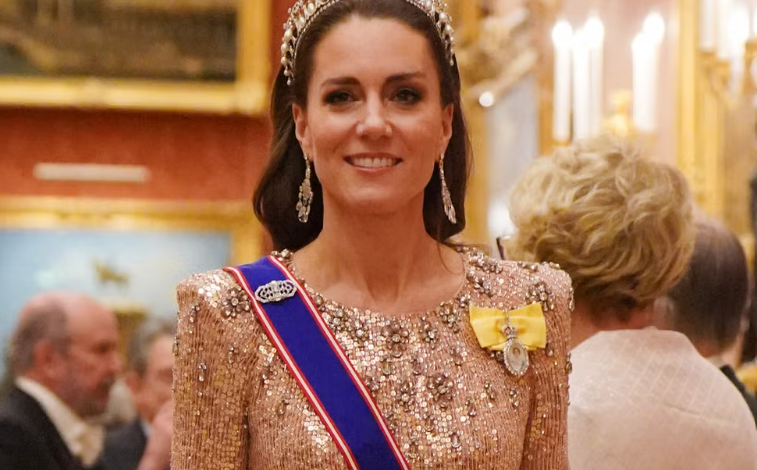
From career ambitions to personal privacy, becoming a princess transformed Kate Middleton’s everyday life in ways that go far beyond palace luxury.
Becoming a member of the British royal family may seem like a fairytale, but behind the tiaras, designer gowns and grand palaces lies a life shaped by responsibilities, expectations and intense public attention.
When Catherine Middleton married Prince William on April 29, 2011, she entered one of the world’s most recognised royal institutions. Her transformation from a privately employed young woman into the Princess of Wales involved significant lifestyle changes.
Here are eight aspects of ordinary life that changed dramatically.
1. A Conventional Career
Before her royal marriage, Kate worked as an accessories buyer for British fashion retailer Jigsaw and later joined her family’s business, Party Pieces. She also once expressed an interest in teaching.
Royal engagements and charitable responsibilities eventually replaced the possibility of pursuing a conventional career.
2. Everyday Privacy
Before joining the royal family, Kate could enjoy aspects of daily life without the same level of international scrutiny.
Today, shopping trips, family outings and public appearances can attract considerable media attention. Protecting family privacy has consequently become an important priority.
3. Spontaneous Outings
A casual restaurant visit or last-minute shopping trip is less straightforward for a senior royal.
Security requirements and public recognition mean outings often require greater planning, particularly when official duties or large crowds are involved.
4. Complete Fashion Freedom
Kate remains celebrated for her elegant personal style, but royal appearances carry additional expectations.
Clothing must often suit diplomatic occasions, formal ceremonies and cultural sensitivities.
Her polished approach to fashion reflects the enduring appeal of sophisticated dressing, also explored in First Avenue’s feature on Anne Hathaway’s elegant red-carpet style.
5. Private Social Media
Unlike many public figures, Kate does not use a publicly identified personal social media account to share spontaneous updates.
Official channels communicate the work of the Prince and Princess of Wales, giving their public presence a more structured character.
6. Speaking Freely About Politics
Members of the British royal family traditionally maintain political neutrality while undertaking official responsibilities.
For Kate, this means avoiding public partisan positions and ensuring her engagements remain consistent with the constitutional role of the monarchy.
7. Complete Control of Her Schedule
Royal life includes state visits, charity engagements, ceremonies and national events.
These commitments require extensive coordination, leaving less flexibility than a conventional personal calendar.
The Royal Family’s official biography details Catherine’s responsibilities and charitable work.
8. An Ordinary Family Life
Kate and William have worked to give Prince George, Princess Charlotte and Prince Louis a supportive upbringing despite their extraordinary circumstances.
School activities and family time remain important, but security arrangements and public attention make everyday experiences more complicated.
The influence of royal women on modern fashion and society is also reflected in First Avenue’s coverage of Meghan Markle’s sophisticated style.
The Woman Behind the Title
Despite these changes, Catherine has developed a distinctive public identity, particularly through her commitment to early childhood development, family wellbeing and charitable causes.
Her journey illustrates that becoming royal involves more than acquiring a title. It requires adapting to an entirely different way of life while maintaining a sense of personal identity.
And perhaps that balance between royal responsibility and everyday humanity is what continues to fascinate the world.